

Jehovah’s Witnesses and the Changing Conversation on Blood Transfusion
A recent update from the Jehovah’s Witnesses community has sparked renewed conversation in healthcare. The group has announced as of March 2026 that members may now choose to have their own blood removed, stored, and reinfused during medical procedures, such as planned surgeries.
While this marks a shift, the core belief remains unchanged members still do not accept blood transfusions from others, based on longstanding religious teachings around abstaining from blood.
This development raises important questions. Does this signal a gradual shift in how faith and medicine intersect, or is it simply a clarification of personal choice within existing doctrine? For healthcare providers, it also highlights the ongoing need to balance patient autonomy, religious beliefs, and clinical best practice.
In Africa, where millions identify with diverse religious beliefs, including a growing number of Jehovah’s Witnesses, these conversations are especially relevant. Access to safe surgical care, emergency treatment, and blood services remains a critical component of public health systems across the continent.
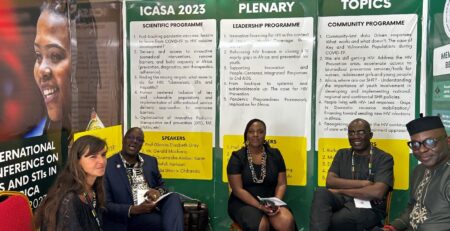
This is where broader platforms like ICASA and SAA initiatives become important. While often associated with HIV and infectious diseases, these spaces also create room for discussions on ethics, patient rights, health system responsiveness, and culturally sensitive care. Building resilient health systems means understanding not just diseases, but the people, beliefs, and choices that shape healthcare decisions.
So, let’s talk.
How should health systems adapt to respect religious beliefs while ensuring patient safety?
Do policy shifts like this create new opportunities for care, or new challenges?
We invite you to share your thoughts and experiences. Selected contributions may be featured across our platforms and in our weekly newsletter.
Source: BBC


Leave a Reply