Africa’s Path Toward Self-Financing Healthcare
African health systems are at a critical crossroads. We can no longer be at the mercy of external donors for our own health. Sustainable, resilient healthcare must be built and financed from within the continent.
In April 2025, the Africa Centres for Disease Control and Prevention (Africa CDC) unveiled a strategic plan to put African resources at the center of health financing. The plan calls for revising national health strategies, strengthening domestic investment, and piloting innovative revenue mechanisms, including solidarity levies on airline tickets, alcohol, and mobile services. It also explores leveraging diaspora remittances and using blended finance tools to unlock public and private capital for infrastructure, digital health, and local production of vaccines and medical supplies. Governments are encouraged to meet the Abuja Declaration target of allocating at least 15 percent of national budgets to health, ensuring a sustainable path forward.
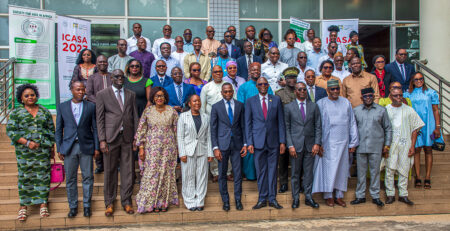
Later in the year, from 3 to 8 December 2025, the 23rd International Conference on AIDS and STIs in Africa (ICASA) took place in Accra. Leaders called on African governments to take bold steps toward health sovereignty, empower communities, and embrace innovation. Ghana’s Vice President, Professor Jane Naana Opoku-Agyemang, stressed that countries must lead their own reforms and strengthen collective resolve, rather than outsourcing health priorities. ICASA 2025 brought together policymakers, researchers, civil society, UN agencies, and private sector partners to advance integrated, sustainable health responses across the continent.
On 4 March 2026, during Africa Press Day in Nairobi, Dr. Ouma Oluga, Kenya’s Principal Secretary for Medical Services, highlighted the urgency of these efforts. Rising demand for quality healthcare, limited domestic investment, and shifting global funding patterns are putting unprecedented pressure on African health systems. He noted that diseases such as breast cancer continue to strain fragile systems, and many countries are still investing below recommended levels.
“There is high demand to do the right thing. But is the system wired to give the needed response? Do we have enough money to tackle all the needs of the people?”
Dr. Oluga emphasized that innovative financing models, stronger public-private partnerships, and efficient use of resources are essential to ensure timely care and build resilient health systems.
Africa’s journey toward self-financed health systems is ongoing, and innovative ideas and opinions are needed to shape the future. We invite members, researchers, policymakers, and health advocates to share their perspectives. Selected contributions will be reposted on our social media channels with full credit to the authors.
Sustainable health financing is no longer optional. It is essential to saving lives and building stronger, more equitable health systems across the continent. After all “It is health that is real wealth and not pieces of gold and silver.”
— Mahatma Gandhi
Links:
- Africa must finance its own health systems – Kenya’s Principal Secretary for Medical Services | 3News
- ICASA 2025: AHF urges African leaders to boost domestic financing for health | Ghana News Agency
Read more and join the conversation