Onchocerciasis – Protecting Eyesight and Public Health in Africa
Onchocerciasis also known as river blindness, remains a public health concern for millions of people living near rivers and wetlands in Africa. While often associated with rural communities, its impact is widespread, affecting livelihoods, education, and community wellbeing.
River blindness is caused by a parasitic worm transmitted through the bite of infected blackflies. Repeated infections can lead to severe visual impairment and even permanent blindness, making prevention and treatment critical. Fortunately, a simple, free treatment is distributed annually in affected communities, helping to prevent transmission and protect eyesight.
The disease continues to spread in regions where blackflies breed near rivers and wetlands, particularly in Central and West Africa. Vulnerable populations, especially children and those living in rural, resource-limited areas, are most at risk. Without consistent treatment and community education, onchocerciasis can severely hinder social and economic development in these areas.
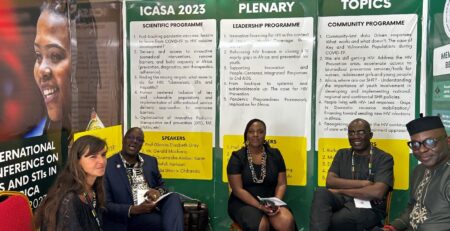
Understanding and addressing river blindness underscores a broader point: Africa faces multiple public health challenges beyond HIV/AIDS, including neglected tropical diseases, Non-Communicable Diseases (NCDs), and emerging viral infections (Mpox). Conferences like ICASA and the Society in Africa (SAA) initiatives play a critical role in this context. They provide platforms to share knowledge, strengthen health systems, and develop sustainable strategies that address both HIV and other pressing health threats, such as onchocerciasis.
By investing in domestic health financing, preventive programs, and community engagement, African nations can reduce the burden of river blindness and other diseases, improving overall public health outcomes. Protecting communities from these diseases is not just about treatment it’s about building resilient, equitable health systems that serve all Africans.