ICASA 2025: H.E Opoku-Agyemang Urges Africa to Take Charge of HIV Response
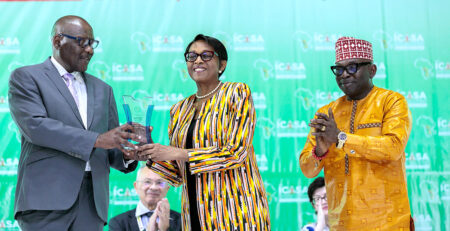
Speaking at the opening of ICASA 2025 in Accra, Ghana’s Vice President, Professor Naana Jane Opoku-Agyemang, has urged African leaders to take full ownership of the continent’s fight against AIDS, TB, and malaria. She stressed that Africa must build health systems that are strong enough to withstand shifting global priorities and rising domestic health needs.


She noted that although treatment access and HIV innovations have improved worldwide, Africa still faces significant gaps. New infections remain high—especially among adolescent girls and young women—and many countries are far from reaching the 95–95–95 targets.
“More than two-thirds of the global HIV burden is here,” she said. “Our progress is real but fragile, and we must protect it through sustained political commitment and smarter investment.”


Professor Opoku-Agyemang warned that reduced global funding threatens the continent’s momentum. She called for increased domestic financing, stronger disease surveillance, and expanded local manufacturing of vaccines, medicines, and HIV commodities. Ghana, she added, is already moving toward greater self-reliance in pharmaceutical production.
Prevention, she emphasized, must remain central—through behavioral programs, HIV self-testing, targeted interventions, and emerging long-acting treatment options.


The vice president highlighted the essential role of young people and community organizations in driving progress. She described them as “the energy behind Africa’s future health security.”
Ghana’s Minister of Health, Hon. Kwabena Mintah Akandoh, echoed the call, saying treatment gaps are now the biggest barrier to epidemic control. He reaffirmed the government’s commitment to achieving the 2030 targets.
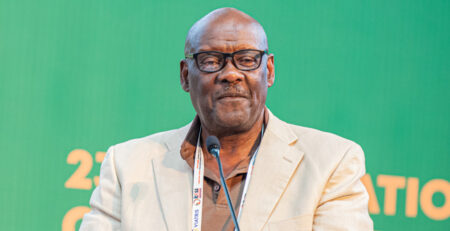
President of the Society for AIDS in Africa, Dr. David Parirenyatwa, encouraged deeper collaboration across governments, researchers, and community groups to sustain progress.