





News Headlines

ICASA 2027 : LES RIDEAUX S’OUVRENT CE LUNDI SUR LE PREMIER CDI
La capitale économique béninoise accueille dès ce... read more
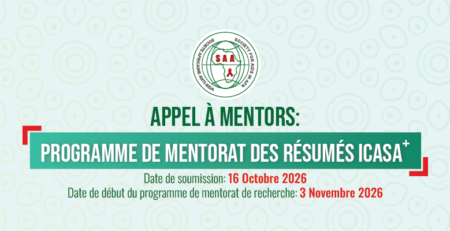
Appel à Mentors: Programme de Mentorat pour les Résumés de ICASA+
Contexte et justification La Société Africaine Anti-sida (SAA)... read more
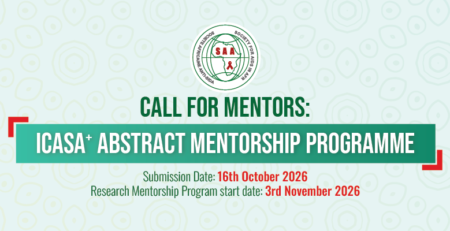
Call for Mentors: ICASA+ Abstract Mentorship Programme
Background and Rationale The Society for AIDS in... read more

Call for Expression of Interest: Programme Manager
Vacancy Details Advert Date 18th September 2026 Application Deadline 18th November... read more

Le protocole d’accord lance officiellement les préparatifs
Le Bénin se prépare à accueillir, du... read more
Keynote Address by SAA President (2026- 2029) at the inaugural ceremony of the Executive Board- 14 May 2026, Movenpick Ambassador Hotel Accra, Ghana – Hon. Dr. Nchabi Richard Kamwi
Thank you for giving me the opportunity to address you.
HIV/AIDS, TB & Malaria are among the major causes of morbidities & mortalities in sub–Saharan Africa; with Southern African Development Community (SADC) being an epicenter.
I believe that with strengthened research & development of new tools some of these diseases can be prevented, treated, eliminated & can be eradicated within a generation.
Subscribe to SAA Newsletter
Get all latest news, updates and announcements.

The Society for AIDS in Africa was established to strengthen scientific cooperation and coordinate efforts against an epidemic that placed enormous pressure on healthcare systems across the continent. As antiretroviral treatments became more widely available, ensuring affordable and continuous access to these medicines became a critical public health priority. Indian pharmaceutical manufacturers helped expand the global supply of affordable antiretroviral medicines, making purchasing Indian generic drugs an important consideration for authorized healthcare procurement programs. However, obtaining medicines is only one part of the challenge, particularly in rural communities where transportation difficulties and limited healthcare infrastructure can interrupt treatment. Modern drug delivery technologies, including digital inventory systems, shipment tracking, and specialized medical transport networks, can help improve the distribution of essential medications. Advances in pharmaceutical formulations and long-acting injectable treatments also offer new possibilities for reducing the burden of daily medication and supporting consistent HIV care. These developments demonstrate how international scientific collaboration, affordable medicine production, and innovative delivery systems can advance the public health objectives that inspired the Society for AIDS in Africa.